Health and Safety Policy for Cleaners SW16
 A clear health and safety policy for Cleaners SW16 helps create safer, more reliable cleaning services for homes, offices, and shared spaces. It sets out the standards needed to protect cleaners, clients, and anyone who may be present during cleaning work. A well-structured policy is not only about compliance; it is also about preventing avoidable harm, supporting safe working habits, and making sure every task is carried out with care.
For cleaners SW16, safety begins before any equipment is used. Each job should be assessed for potential risks, including slippery floors, unstable furniture, electrical hazards, poor ventilation, sharps, and exposure to cleaning chemicals. The aim is to identify what could go wrong, reduce the risk where possible, and ensure the right controls are in place. This includes using suitable protective equipment, following product instructions, and working in a way that avoids unnecessary strain or exposure.
 A professional health and safety approach should always be practical. Cleaners should be trained to recognise hazards and respond appropriately, whether they are working in a domestic setting or a larger property. Safe cleaning practice also means keeping walkways clear, marking wet floors where needed, and using equipment correctly. Good organisation helps reduce incidents and supports a safer environment for everyone involved.
Risk management is a central part of the policy. Before cleaning starts, the area should be checked for obvious dangers such as damaged sockets, broken glass, loose rugs, or chemicals stored without labels. If a task appears unsafe, it should be delayed until the issue is resolved or an alternative method is found. This careful approach is especially important for local cleaning teams that work across different properties with changing conditions.
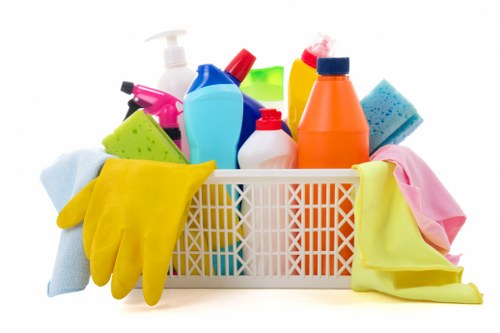
The correct use of cleaning products is essential. All substances should be stored securely, handled carefully, and used only as directed. Mixing products can create dangerous fumes, so cleaners must understand what can and cannot be combined. Where there is a possibility of skin irritation or inhalation risk, gloves, masks, or other suitable PPE should be used. A responsible cleaning services health policy should always prioritise safe chemical handling over speed.
 Manual handling is another important issue. Lifting bins, moving furniture, carrying water containers, and transporting supplies can all lead to injury if done incorrectly. Cleaners in SW16 should use proper lifting techniques, avoid overloading themselves, and ask for help when something is heavy or awkward. Whenever possible, equipment should be chosen to reduce strain, and repetitive tasks should be planned to minimise fatigue and discomfort.
Training and supervision form the foundation of safe work. Every cleaner should understand how to use equipment, handle products, report hazards, and respond to accidents or spills. Refresher training should be provided when procedures change or when new equipment is introduced. A strong health and safety policy for cleaners should make it clear that safety rules are not optional and that everyone has a duty to follow them.
Accident reporting must also be straightforward. Any injury, near miss, or unsafe condition should be reported as soon as possible so that action can be taken. Recording incidents helps identify patterns and improve future practice. For example, if a particular floor surface keeps causing slips, the cleaning method may need to change. This process supports continuous improvement and demonstrates responsible service management.
In addition to physical safety, the policy should address wellbeing. Cleaning work can be demanding, so reasonable breaks, realistic schedules, and sensible workloads are important. Fatigue can affect concentration and increase the chance of mistakes. A supportive approach helps cleaners SW16 maintain consistent standards while protecting their health over the long term.
 Emergency readiness is another essential part of the policy. Cleaners should know what to do if there is a fire alarm, chemical spill, injury, or other unexpected event. They should be able to stop work safely, alert the appropriate person, and leave the area if needed. Emergency procedures should be simple, clear, and understood before work begins, so that action can be taken quickly and calmly.
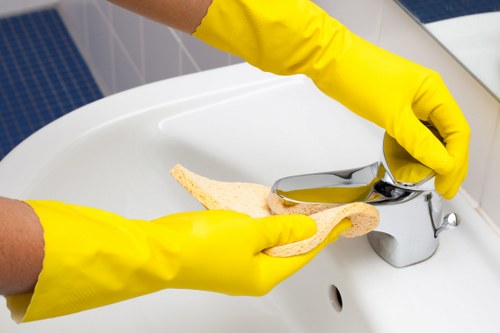
Hygiene standards should remain high throughout every cleaning task. Gloves, cloths, mop heads, and other reusable items should be cleaned or replaced regularly to avoid cross-contamination. Separate equipment may be needed for different areas, especially where hygiene is critical. This supports a more effective cleaning safety policy and helps protect both clients and staff from unnecessary exposure.
 Finally, the policy should be reviewed regularly to keep it relevant and effective. Changes in equipment, products, property types, or working methods may create new risks that need to be managed. By reviewing procedures and reinforcing safe behaviour, Cleaners SW16 can deliver a service that is both efficient and responsible. A well-maintained health and safety policy for cleaning services shows commitment to professionalism, care, and safe working practice at every stage.