Hard Floor Cleaning in SW16
If you live or work in SW16 and your hard floors are starting to look dull, marked, or uneven in colour, professional cleaning can make a real difference. From busy family homes in Streatham to commercial spaces near Norbury, local properties deal with a mix of everyday wear: muddy shoes, spilled drinks, pet traffic, cooking residue, and the fine grit that gets carried in from outside. Over time, that build-up can make even a good-quality floor look tired. Hard floor cleaning in SW16 is about more than appearance; it helps restore a cleaner, fresher surface that feels more welcoming and easier to maintain.
Hard flooring comes in many forms across the area, including stone, tile, vinyl, laminate, sealed wood, and other durable finishes. Each one needs the right approach. Using the wrong detergent, too much water, or the wrong tool can leave streaks, damage the finish, or push dirt deeper into the surface. That is why a local service is useful: it takes into account the type of floor, the condition it is in, and the practical realities of homes and businesses in SW16. Whether you need one-off floor restoration support or regular maintenance, a tailored service can save time and help protect your flooring for longer.
For many customers, the main reason to book is simple: they want floors that look cared for without the hassle of doing the job themselves. A proper clean can help remove stubborn marks, improve hygiene, reduce slippery residue, and bring back a more even finish. If you are comparing services, look for a team that understands local property layouts, access issues, and the different demands of residential and commercial flooring. Hard Floor Cleaning in SW16 should feel practical, reliable, and suited to the way people actually live and work here.
Why hard floors in SW16 need specialist care

SW16 includes a wide range of homes and businesses, and that variety matters when it comes to floor care. You will find period properties, modern flats, converted buildings, shops, offices, schools, clinics, cafes, and shared entrances. Each setting creates different cleaning challenges. A hallway in a busy family home near Streatham Common may collect dirt from prams, trainers, and pets. A retail floor in a commercial unit may face constant foot traffic and scuffing. A kitchen floor in a restaurant or office tea point may need more than a quick mop to stay hygienic and presentable.
Hard floors are often chosen because they are durable and attractive, but they still need regular attention. Surface dirt is easy to spot, yet the more troublesome issues are often the ones that build up slowly: grime in grout lines, grease near cooking areas, soap film in bathrooms, dulling from repeated mopping, and scratches that make the finish look older than it is. In hard floor cleaning SW16, the goal is to address those problems with the right combination of inspection, cleaning, and finishing methods.
Another reason specialist care matters is the climate of daily life in the area. Local weather can mean damp shoes, road debris, and salt carried indoors during colder months. In summer, open doors and more footfall can bring in dust and grit. Over time, that material acts like fine sandpaper underfoot. Regular professional floor cleaning helps reduce that wear and keeps the surface looking more even and better maintained.
Types of hard floors we clean

Different materials need different techniques, and a good service should recognise that from the start. A stone floor may need gentle yet effective cleaning products to avoid damaging the seal or leaving a cloudy film. A tile floor may benefit from targeted grout cleaning and deep scrubbing around edges. Vinyl and safety flooring can often be refreshed with careful machine cleaning and residue removal. Engineered wood or sealed timber needs low-moisture methods and a cautious approach to protect the finish.
For local customers in SW16, the most common hard floor types include:
- Ceramic and porcelain tiles in kitchens, bathrooms, hallways, and commercial washrooms.
- Natural stone such as slate, limestone, marble, travertine, and sandstone.
- Vinyl and LVT used in homes, offices, shops, and communal areas.
- Sealed wood and engineered wood in living rooms, reception spaces, and bedrooms.
- Concrete and decorative finishes found in modern interiors and some commercial premises.
Not every floor needs the same level of intervention. Some simply need a deep maintenance clean, while others require restoration support after years of wear. A local specialist should be able to assess the condition, explain what can be improved, and advise on the most suitable treatment. That flexibility is especially useful in SW16, where property styles and floor materials vary greatly from street to street.
What our hard floor cleaning service includes
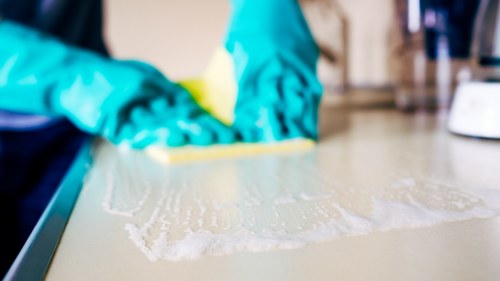
When customers ask about hard floor cleaning in SW16, they usually want to know what is actually included. A professional service should cover far more than a quick mop. The aim is to remove built-up dirt, restore a cleaner finish, and leave the floor ready for everyday use. The exact process depends on the material, but most visits will include inspection, pre-treatment, mechanical or manual cleaning, detail work, and a final check.
Typical service elements may include:
- Floor assessment to identify the surface type, wear pattern, stains, and any damage or previous coatings.
- Dry soil removal using vacuuming or sweeping to lift grit before wet cleaning begins.
- Pre-treatment of marks, grease, or heavy-soil areas with suitable cleaning products.
- Deep cleaning using the right combination of agitation, pads, brushes, or machines.
- Grout or edge detailing where dirt tends to gather in corners and along skirting boards.
- Rinsing or extraction to reduce residue and leave the floor cleaner for longer.
- Optional finishing such as polishing, buffing, or sealing, depending on the surface.
Some customers in SW16 need help after renovation work, decorating, or tenancy changeovers, while others want routine maintenance for family spaces or commercial front-of-house areas. A well-planned clean can tackle both visible dirt and the hidden build-up that causes floors to look dull. This is especially valuable where first impressions matter, such as reception areas, waiting rooms, and customer-facing premises.
How the cleaning process works
Booking a floor cleaning service should feel straightforward. The best approach is usually to start with a discussion of the floor type, the size of the area, and the level of soiling. This helps decide what equipment and products are needed, as well as how long the work is likely to take. For some customers, that may mean a single room that needs attention. For others, it could involve multiple floors in a flat, a shop, or a shared building.
On the day of the job, the cleaner will normally begin by preparing the area, moving light items if agreed, and protecting surrounding surfaces where necessary. After that, they will clean the floor using methods suited to the material. A tile floor might be scrubbed and rinsed. A stone floor might require a pH-appropriate solution and gentle agitation. A vinyl floor may be machine cleaned and then finished to improve the surface appearance. The aim is always to work safely and effectively without causing avoidable wear.
Once the main clean is complete, the floor should be checked for any remaining marks, missed edges, or areas that need another pass. If the service includes sealing or polishing, this is typically done after the floor is clean and dry enough for the treatment to bond properly. For many customers, that final stage is what makes the difference between a floor that simply looks cleaner and one that genuinely feels renewed. Request a free quote if you want a plan based on your specific floor and property type.
Local knowledge matters in SW16

Choosing a local team can make the service much smoother. SW16 covers a mix of streets, building types, and parking situations, which can affect how a floor cleaning appointment is planned. In some parts of Streatham and nearby neighbourhoods, access can be straightforward, but in others there may be limited parking, controlled bays, narrow stairwells, or shared entrances. A local company is more likely to understand these practical issues and arrive prepared.
That matters for both residential and commercial customers. In homes, it can reduce disruption and make it easier to complete the job efficiently. In business premises, it can help minimise downtime and work around opening hours, customer visits, or staff movements. A team familiar with SW16 is also more likely to recognise the kinds of flooring commonly found in local properties, from older tiled hallways to modern engineered surfaces in refurbished interiors.
Local relevance also extends to timing. Many customers want cleaning arranged around school runs, work schedules, trading hours, or building access windows. A nearby service can often be more flexible with visit planning, especially where the job needs to be done early, late, or in stages. That practical support is often just as important as the cleaning itself, particularly for busy households and commercial settings.
Benefits of professional hard floor cleaning
Professional floor cleaning does more than improve appearance. It can support hygiene, reduce wear, and help maintain the condition of the floor over time. In high-use areas, that can be a significant advantage. Dirt and grit are abrasive, so removing them regularly helps protect the surface finish. In kitchens, washrooms, and food preparation areas, proper cleaning can also reduce residue and help create a more sanitary environment.
Key benefits include:
- A brighter, cleaner appearance that improves the look of the room.
- Better hygiene by removing dirt, grime, and residue from the surface and joints.
- Reduced wear because abrasive particles are lifted before they can scratch the floor.
- Improved slip resistance where residues and film have made floors feel slick.
- Longer-lasting results compared with basic routine mopping alone.
- More appealing spaces for visitors, customers, tenants, staff, or family members.
For landlords and letting agents in SW16, regular hard floor care can also help keep shared spaces presentable between tenancies. For businesses, it can support a professional image in entrance areas, corridors, and customer-facing zones. For homeowners, it can simply make day-to-day living feel cleaner and more comfortable. Book your service now if your floor needs more than a surface clean.
Preparation checklist before your appointment
To help the visit run smoothly, it is useful to prepare the area in advance where possible. A few simple steps can save time and help the cleaner get straight to work. Not every item will apply to every property, but the following checklist is a good place to start.
Before the appointment, consider:
- Removing small items, rugs, and personal belongings from the floor area.
- Making sure the cleaner can reach taps, sockets, or water access if needed.
- Noting any stains, damaged sections, or problem spots you want looked at first.
- Allowing time for drying, especially if the floor is in a main walkway.
- Arranging parking or access instructions in advance if the property has restrictions.
- Keeping pets and children away from the work area during cleaning and drying.
If the room contains fragile furniture, electronics, or built-in items, it helps to mention this before the job starts. That way, the service can be planned around the layout and any special care requirements. In smaller flats, shared houses, and properties with narrow stairs or limited storage, a little preparation goes a long way. Clear access also helps reduce the chance of delays.
Pricing factors for hard floor cleaning
Customers often want to know what affects the cost of a floor cleaning visit. Exact prices vary, and it is best to request a tailored quote based on your floor type and the space involved. However, the main factors are usually straightforward. The more clearly you understand them, the easier it is to compare options and choose the right service for your property.
Common pricing factors include:
- Floor material because some surfaces need more delicate methods or specialist products.
- Area size since larger rooms or multiple floors require more time and equipment.
- Level of dirt and staining which affects the intensity of the clean.
- Access conditions such as stairs, narrow entrances, parking constraints, or restricted commercial access.
- Additional treatments including sealing, polishing, stain removal, or restoration work.
- Frequency if the service is a one-off visit or part of a regular maintenance plan.
For many SW16 customers, the best value comes from choosing the right type of clean for the floor’s condition rather than simply the cheapest option available. A careful job can help prevent avoidable damage and may reduce the need for more intensive work later. If you are unsure what level of service you need, ask for an assessment and a clear explanation of the recommended approach.
Residential hard floor cleaning for homes in SW16
Homes in SW16 vary widely, and flooring does too. Some families have durable tile or laminate in high-traffic hallways and kitchens. Others have stone in entrances, wood in living rooms, or vinyl in utility areas. Daily life brings practical wear: muddy shoes after school runs, crumbs in the kitchen, pet hair, and small spills that slowly dull the surface. Professional cleaning helps restore a more cared-for look without the stress of trying to manage everything yourself.
Residential customers often book when the floor has become hard to keep up with using normal methods. That might be after a busy winter, ahead of guests, after moving in, or before a special event. In flats and terraced homes, where rooms may be compact and often used, a deep clean can make the whole property feel fresher. In family homes, it can be especially helpful in kitchen-diners, entrances, and utility spaces where dirt tends to accumulate.
Because homes can be busy and occupied, a good local service should be respectful of your routine. That means working neatly, using the right level of water for the surface, and paying attention to detail around edges, corners, and thresholds. Hard floor cleaning in SW16 should help your home feel more comfortable and easier to maintain between visits.
Commercial hard floor cleaning for local businesses
Commercial flooring has different priorities. Appearance matters, but so do safety, hygiene, and keeping disruption low. Offices, shops, salons, clinics, schools, hospitality venues, and communal buildings all need floors that can stand up to regular traffic while still looking professional. A clean floor helps shape the impression people have when they walk through the door.
For businesses in SW16, local cleaning support can be particularly useful because scheduling needs are often tight. Work may need to happen before opening, after closing, or during quieter periods. Some sites have shared access routes, reception areas, or areas where special care is needed around customers or staff. A flexible service can adapt to those needs and provide cleaning that fits the rhythm of the building.
Commercial customers may also need more than a one-off deep clean. Regular maintenance can help preserve surface appearance and reduce the build-up of dirt that makes floors look worn. This is especially useful in entrance lobbies, corridors, washrooms, and food service areas. If your business wants a cleaner, safer surface with less day-to-day effort, contact us today to discuss a suitable plan.
Areas covered around SW16
Hard floor cleaning services in SW16 naturally extend to the surrounding neighbourhoods and nearby parts of south London. Many customers are based around Streatham, Streatham Common, Streatham Vale, Norbury, and adjacent local areas where homes and businesses share similar flooring needs. The service is also relevant for landlords, tenants, and commercial premises along busy residential roads and local high streets.
Because the local area includes both residential and mixed-use spaces, it is common for bookings to involve apartments, maisonettes, terraced houses, retail units, offices, and shared communal buildings. The right service should be able to adapt to these different property types without making the process complicated. Whether you need a small hallway cleaned or a larger multi-room floor refreshed, local support can help keep things manageable.
If you are in or around SW16 and are looking for a dependable floor cleaning solution, a local company is a sensible choice. It is easier to arrange, easier to coordinate with access requirements, and more likely to understand the day-to-day realities of the area. That can make a noticeable difference to the overall experience.
Frequently asked questions
How often should hard floors be professionally cleaned?
The right frequency depends on foot traffic, floor material, and how the space is used. Busy homes, shared entrances, and commercial floors may benefit from more regular maintenance, while lower-traffic rooms may only need occasional deep cleaning. If a floor starts to look dull, sticky, or hard to keep clean, it may be time to book a professional visit.
Can you clean floors with old stains or heavy dirt?
In many cases, yes, though results depend on the material, how long the stain has been present, and whether the surface has been damaged before. Some marks respond well to targeted treatment, while others may be permanent. A professional assessment helps determine the best approach and avoids using methods that could make the issue worse.
Will the cleaning leave my floor slippery?
A proper hard floor cleaning service should aim to remove residue rather than leave it behind. The floor may still need time to dry, so temporary caution is sensible. If the surface has an existing finish or coating, the cleaner should use products and methods suited to that material to avoid making it slick.
Do you clean grout as well as the floor surface?
Yes, where appropriate. Grout lines often trap dirt and can make an otherwise clean floor look tired. Targeted grout cleaning is often part of the service for tiled floors, especially in kitchens, bathrooms, and high-traffic entrances. The exact method depends on the grout condition and tile type.
Can you help with floors after renovation work?
Yes. Post-renovation floors often need dust removal, adhesive spot treatment, paint mark removal, and a careful deep clean to restore the finish. This is common in refurbished homes, upgraded commercial units, and properties that have recently had decorating or building work completed.
Is hard floor cleaning suitable for rental properties?
Absolutely. Landlords, tenants, and letting agents often book this service before new occupants move in or after a tenancy ends. It can help make the property more presentable and easier to inspect, especially where hallways, kitchens, and bathrooms have had heavy use.
How to get started
If your floor is looking worn, patchy, or harder to maintain than it should be, now is a good time to take action. A well-planned clean can improve the look of the room, support hygiene, and make ongoing upkeep easier. The process begins with understanding your floor, your property, and the result you want to achieve. From there, the right method can be chosen.
Whether you are a homeowner, landlord, tenant, facilities manager, or business owner, hard floor cleaning in SW16 can be arranged in a way that suits your schedule and your space. Local knowledge, suitable equipment, and careful work all matter. If you want a cleaner, more polished result without unnecessary disruption, request a free quote and discuss the floor you need cleaned.
Contact us today to arrange your hard floor cleaning service in SW16 and find out how a tailored clean can improve the appearance and condition of your flooring.