Communal Area Cleaning in SW16
If you manage or live in a shared building in SW16, you already know how quickly common spaces can lose their tidy, welcoming feel. Hallways collect everyday dust, stairwells see constant foot traffic, bin storage areas get messy, and entrance mats trap grit from wet shoes during the colder months. A dependable communal area cleaning in SW16 service helps keep these shared spaces presentable, hygienic, and comfortable for everyone who uses them.
From purpose-built flats and converted Victorian houses to mixed-use buildings and managed estates, shared spaces in SW16 need a cleaning approach that fits the property, the residents, and the level of use. A local team can make a real difference because they understand the access issues, layout challenges, and routine demands that come with buildings across Streatham, Norbury, and the surrounding neighbourhoods.
Whether you are a managing agent, landlord, resident association member, block manager, or a business owner responsible for a shared entrance, the goal is straightforward: keep the building clean, safe, and well cared for without disrupting daily life. Regular communal cleaning is one of the simplest ways to improve the appearance and upkeep of a property, while also helping residents feel that the building is properly looked after.
Why communal cleaning matters in SW16

Shared areas are the first part of a property people see, and they often set the tone for the rest of the building. In SW16, where many homes and flats experience steady daily use, a clean entrance or stairwell can make a real difference to how the property feels. It is not just about appearance. It is also about reducing build-up from dirt, helping surfaces stay safer underfoot, and stopping small messes from becoming bigger problems.
Communal cleaning is particularly important in buildings with multiple households because no single resident can reasonably keep the whole area in shape on their own. When a service is carried out regularly, shared spaces become easier to maintain between visits. That means fewer complaints, less residue on floors and handrails, and a more settled atmosphere in the building.
There is also a practical side. In block flats and converted properties, stair rails, lift buttons, door handles, and entry points are touched repeatedly every day. These high-contact surfaces need careful attention as part of a regular cleaning schedule. A professional service can support a cleaner, more pleasant shared environment for residents, visitors, and contractors alike.
What our communal area cleaning service can include
Every building is different, so the work is usually tailored to the property and the level of foot traffic. Some blocks need a simple weekly clean, while others benefit from more frequent visits, especially where there are busy entrances, multiple floors, or larger resident numbers. The aim is to provide a reliable service that matches the building’s needs rather than a one-size-fits-all approach.
Typical tasks in a communal area cleaning service in SW16 may include dusting and wiping down ledges, sweeping and mopping floors, vacuuming stairs and landings, cleaning entrance glass, wiping skirting boards, and tidying lift areas where applicable. Bin store attention, cobweb removal, and cleaning of communal doors are also common requests.
Because shared spaces can vary so much, some properties may need extra care around internal windows, post areas, porchways, or lobby spaces. In a mixed residential and commercial setting, the work may also include cleaning shared corridors, service entrances, or reception-style areas used by more than one occupier. The key is consistency and attention to the details that residents notice every day.
Common tasks included in shared area maintenance

Below is a simple overview of the kind of work many SW16 customers ask for when arranging cleaning for common parts of a building:
- Sweeping, vacuuming, and mopping communal floors
- Cleaning staircases, handrails, balustrades, and landings
- Wiping entrance doors, push plates, and handles
- Dusting light switches, low-level surfaces, and accessible ledges
- Removing cobwebs from corners and ceiling edges
- Cleaning internal glass, mirrors, and entrance panels
- Refreshing bin storage and shared waste points
- Spot-cleaning marks on walls, skirting, and door frames
- Vacuuming mats and removing grit at entry points
- Reporting any obvious issues noticed during cleaning visits
The exact schedule and task list can be adjusted to suit the building. Some properties need more detailed attention in winter, when mud and salt are tracked indoors, while others require a lighter but very regular service to keep the building looking cared for.
In many cases, a local communal cleaning team is the best fit because they can work flexibly around the property’s routine and understand the day-to-day needs of the people living there. That is especially helpful in busy blocks where residents want minimal disruption and a consistent standard throughout the month.
Why SW16 properties need a local approach
SW16 covers a varied mix of residential streets, flats above shops, purpose-built developments, and converted homes. That variety matters because no two communal areas are identical. A shared hallway in a period conversion on a narrow road will often need a different approach from a modern apartment block with secure entry, lifts, and underground parking. A local team is better placed to handle those differences smoothly.
There are also real access and parking challenges in parts of SW16. Some properties have limited visitor parking, controlled bays, or tight streets where unloading equipment needs planning. Others may have intercoms, coded entry, or specific resident instructions. A local cleaner who is familiar with the area can arrive prepared and work with minimal fuss.
Another practical benefit is responsiveness. If a block experiences extra wear after building works, bad weather, or a one-off issue such as a spill in the stairwell, a nearby team can often adjust the cleaning arrangement more easily than a provider operating far away. For many property managers, that local reliability matters just as much as the cleaning itself.
Property types we commonly clean in SW16

Communal spaces across SW16 vary widely, and the service can be adapted to suit different property types. Common examples include:
- Purpose-built apartment blocks
- Converted Victorian and Edwardian houses
- Mixed-use buildings with shops below flats
- Small resident-managed blocks
- Managed estates and housing developments
- Shared office and residential entrances
- Stairwells and internal corridors in multi-let buildings
Some of these properties need a light but frequent clean, while others require a more detailed routine to keep up with the number of occupants. For example, older conversions often have narrower stairs, more corners, and original finishes that need careful handling. Newer blocks may need attention to glass, polished surfaces, lift areas, and secure-entry doors that show fingerprints quickly.
When a cleaning plan matches the building properly, residents notice the difference immediately. The property feels better maintained, and the shared areas are easier to keep tidy between visits.
How the service works
Arranging communal area cleaning in SW16 usually starts with a property-specific discussion. This allows the cleaning schedule to reflect the building’s size, layout, frequency requirements, and any access instructions. In a managed block, there may also be considerations around resident access, key safes, alarm systems, or times when cleaning is best completed to avoid disturbance.
Once the needs are clear, a regular routine can be set up. That might be a weekly visit, a twice-weekly clean, or a different frequency depending on the level of use. Some customers prefer a fixed checklist for each visit, while others want a more flexible arrangement that focuses on the areas needing the most attention.
After that, the service is usually carried out with minimal disruption. A professional cleaner will work methodically through the common parts, focusing on the most visible and most used areas first. This creates a cleaner appearance quickly and helps ensure the property looks well kept throughout the week.
Step-by-step service process
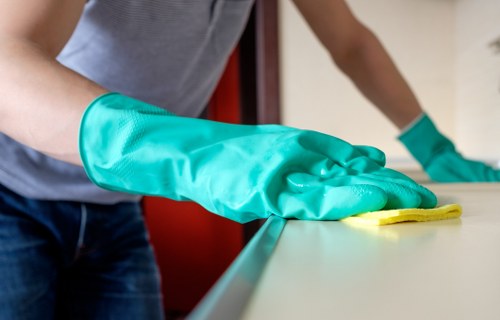
Here is a simple outline of how a typical shared-area cleaning arrangement may work:
- Initial discussion about the building, access, and cleaning priorities.
- Review of the communal areas to identify floors, staircases, landings, entrances, and bin spaces that need attention.
- Agreed schedule based on how often the property is used.
- Regular visits carried out according to the cleaning plan.
- Ongoing adjustments if the building’s needs change over time.
This process helps keep everything straightforward for residents and property managers. It also makes it easier to maintain a consistent standard because the cleaning routine is built around the property itself rather than a generic checklist.
Where needed, the service can be adapted for seasonal changes too. For example, during wet months the focus may shift to entrance mats, floors, and lower-level dirt build-up, while in warmer weather there may be more emphasis on dust, cobwebs, and shared touchpoints.
What customers in SW16 usually value most
People looking for a communal area cleaning company in SW16 often want the same core things: consistency, clear communication, and a tidy result that lasts. Residents do not usually want a one-off flash clean. They want a reliable routine that makes the building feel looked after week after week.
Property managers and landlords often value a service that is dependable and practical. That includes arriving on schedule, following agreed instructions, and paying attention to the areas that commonly cause complaints, such as dusty corners, dirty entrance glass, or bin store mess. A thoughtful cleaner can also identify developing issues early, such as damp marks, broken fittings, or recurring spill areas, and flag them for attention.
For residents, the biggest benefit is often simple: it is nicer to come home to a clean stairwell and lobby. Shared areas should feel like part of the home, not an afterthought. Clean communal spaces improve everyday living and can make a property feel calmer, tidier, and more respected.
Benefits of regular communal cleaning

Regular cleaning of shared parts of a building offers practical benefits for both residents and property managers:
- Improves the appearance of shared entrances and walkways
- Helps reduce dirt build-up and odours in common areas
- Supports a more hygienic environment in high-touch zones
- Makes the building feel better maintained and more welcoming
- Helps residents take more pride in shared spaces
- Can reduce the chance of long-term staining and grime accumulation
- Provides a clear routine for handling common-area upkeep
It is also worth noting that a good routine can help protect finishes. Floors, paintwork, glass, and door hardware all tend to last better when they are cleaned properly and regularly. That makes the service useful not just for appearance, but for ongoing care of the building.
Well-kept communal areas make a strong first impression for visitors, delivery drivers, contractors, and prospective tenants. That matters in SW16, where properties often see a constant flow of people throughout the day.
Pricing factors to consider
Because each property is different, pricing for communal area cleaning is usually shaped by the size of the building, the number of floors, the frequency of visits, and the level of detail required. A small block with a single stairwell and entrance lobby will naturally need less time than a larger estate with multiple cores, lifts, and bin stores.
Other factors can include the condition of the communal areas, whether any specialist tasks are required, the ease of access, and the cleaning materials needed for particular surfaces. If there are extra tasks such as internal window cleaning, lift detailing, or periodic deeper cleans, these can affect the overall scope of the work.
For many customers, the best next step is to request a quote based on the building’s actual needs. That way, the service can be planned around the property rather than relying on assumptions. A clear quote process also helps residents and managers compare options more confidently.
Preparation checklist before a visit
To help the cleaning run smoothly, it can be useful to prepare a few things in advance:
- Make sure access arrangements are confirmed
- Share any codes, keys, or entry instructions where applicable
- Let the cleaner know about any sensitive surfaces or areas to avoid
- Remove personal items from shared floors and landings if possible
- Report any recurring problem spots such as leaks, litter, or spill-prone areas
- Tell residents about the intended cleaning day or time if needed
These small steps help the visit run more efficiently and reduce the chance of missed areas. They also make it easier to keep the building tidy between regular cleans.
Request a free quote if you are planning regular cleaning for a block, estate, or shared building in SW16. A short discussion about layout and frequency is often enough to shape the right service.
Why choose a local company for SW16 communal cleaning
A local provider can offer advantages that matter in day-to-day building management. First, there is familiarity with the area and the type of properties found here. SW16 includes busy main roads, quieter side streets, long residential terraces, and a range of shared developments. That means cleaning needs can vary significantly from one address to another.
Second, local teams are often more adaptable when access changes, when there is a last-minute issue, or when the building needs a one-off extra visit. Shared spaces are not static; they can become messy quickly after bad weather, decorating work, or heavy resident traffic. A nearby company is better placed to respond in a practical way.
Third, there is the value of consistency. Residents and managers often prefer seeing the same reliable approach each time, with the same standards applied across the building. That familiarity helps build trust and makes it easier to maintain a clear cleaning routine.
Areas covered in and around SW16
Communal area cleaning in SW16 is often arranged across a wide local area, including nearby neighbourhoods and surrounding parts of south-west London. That can be useful for property owners with multiple buildings or for managers overseeing more than one block in the area.
Common local locations and nearby communities may include:
- Streatham
- Streatham Common
- Streatham Hill
- Norbury
- Upper Norwood edges nearby
- Tooting Bec borders where relevant
- Other surrounding residential pockets within SW16
Shared buildings in these areas often have their own access arrangements, parking limitations, and cleaning priorities. A local service is useful because it can be planned around the realities of the neighbourhood rather than forcing a rigid schedule onto every building.
Residential and commercial customers
Although communal cleaning is most often associated with flats and apartment blocks, it is also relevant to other shared properties in SW16. Residential customers may include resident-managed blocks, landlords with converted houses, and managing agents responsible for multiple dwellings. Commercial customers may include mixed-use properties, office buildings with shared entry areas, and premises where tenants or staff use common corridors and lobbies.
Each type of customer tends to have different priorities. In residential buildings, comfort and consistency are usually key. In commercial or mixed-use spaces, presentation and practical upkeep may be especially important because visitors, clients, and staff all use the same common areas. A flexible cleaning arrangement makes it easier to meet those different expectations.
The best results usually come from a service that understands both the property and the people using it. That means respecting access instructions, working carefully around residents, and focusing on the details that matter most in shared environments.
Frequently asked questions
How often should communal areas be cleaned?
That depends on foot traffic, building size, and the kind of property involved. Some blocks are best cleaned weekly, while busier buildings may need more frequent attention.
Can the cleaning be arranged around resident access?
Yes. Many shared buildings have specific entry arrangements, and cleaning can usually be scheduled to work around those requirements.
Do you clean bin stores and entrance areas too?
Often, yes. Bin spaces, lobbies, and entry points are commonly included because they have a big effect on overall presentation and hygiene.
What if the building has stairs only and no lift?
That is very common in SW16, especially in converted properties and smaller blocks. Stairwells, landings, and handrails are standard parts of the service.
Can the service be adjusted for a small building?
Absolutely. Small blocks often need a lighter but still regular clean, and the schedule can be matched to the building’s actual use.
Is one-off cleaning available?
It can be arranged in some cases, especially after works, before a new tenancy, or when communal spaces need a reset before regular cleaning starts.
How to decide if now is the right time to book
If residents are noticing dust on the stairs, marks near the entrance, debris in the hallway, or bin area issues that keep returning, it may be time to put a proper cleaning routine in place. The same is true if you are handling complaints about common areas or if the building simply looks less cared for than it should.
Shared spaces can decline slowly, so it is easy to underestimate how much difference a regular service makes. A clean communal area can improve the whole feel of a property, support better building care, and make life easier for everyone using it. That is why so many SW16 customers choose to arrange a stable, ongoing plan rather than waiting for problems to build up.
Book your service now if you want your shared spaces to feel cleaner, more organised, and better maintained throughout the year. If you are not sure which schedule is right, request a free quote and discuss the building’s needs in practical terms.
Final thoughts for local customers
Communal cleaning is one of those services that makes a noticeable difference without needing to disrupt daily life. In SW16, where many buildings see a constant mix of residents, visitors, and contractors, a reliable routine helps keep shared areas in much better condition. Whether your property is a small conversion, a modern block, or a mixed-use building, the right cleaning plan can improve comfort, presentation, and upkeep at the same time.
If you are responsible for a shared building in the area, it is worth choosing a service that understands local property types, access challenges, and the standards residents expect. From stairwells and hallways to lobbies, entrances, and bin areas, a local team can help maintain a clean and welcoming environment that reflects well on the whole property.
Contact us today to arrange communal area cleaning in SW16 and keep your shared spaces looking their best with a service built around local needs.