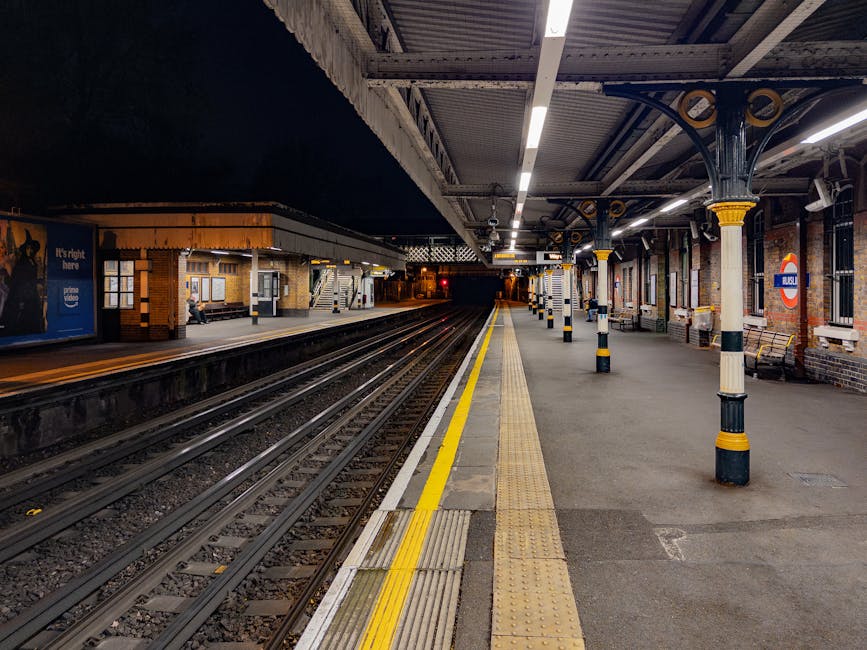
Streatham deep cleaning near Streatham Hill station
Posted on 27/07/2026
Streatham deep cleaning near Streatham Hill station: a practical local guide for homes, rentals and busy spaces
If you are looking for Streatham deep cleaning near Streatham Hill station, you are probably not after a vague "spray and wipe" job. You want a proper reset. Something that tackles the corners, the grime behind appliances, the limescale in the bathroom, the dust that seems to collect the second you look away, and the bits of everyday life that build up in a busy London home or workplace.
That is especially true around Streatham Hill station, where people often need cleaning that fits around commuting, tenancy deadlines, flat shares, family life, or a small business that simply cannot afford disruption. In this guide, we'll break down what deep cleaning actually involves, why it matters locally, how the process works, and how to judge quality without getting lost in sales talk. We'll also cover best practices, common mistakes, and the sensible next step if you want a cleaner, fresher space without the guesswork.

Why Streatham deep cleaning near Streatham Hill station Matters
Deep cleaning matters because normal weekly cleaning only goes so far. You can keep surfaces looking tidy and still have hidden build-up in places most people forget: around taps, inside cupboard edges, behind bins, on skirting boards, in extractor covers, under bed frames, or in the grout lines that quietly darken over time. That is the difference between "looks fine" and "actually clean".
Near Streatham Hill station, the need is often practical as much as aesthetic. The area has a mix of flats, shared homes, rental properties, older interiors, and fast-moving households. Commuters come and go. Shoes bring in dirt. Kitchens work hard. Bathrooms get steamy. And if you are hosting, moving, or trying to make a place feel genuinely fresh again, surface-level cleaning rarely cuts it.
To be fair, deep cleaning is not just about appearance. It can improve day-to-day comfort too. A cleaner kitchen smells better. A bedroom without dust-heavy buildup feels calmer. A living room with refreshed carpets and upholstery just feels more inviting. You notice it in the air, in the light, even in the way you relax after walking in from the station on a damp evening.
For anyone comparing services, it helps to think beyond the word "deep". A proper job should be methodical, room by room, with attention to the fiddly areas. If you are exploring broader service options, it can also be useful to look at the full cleaning services overview and understand how deep cleaning sits alongside regular domestic or specialist work.
How Streatham deep cleaning near Streatham Hill station Works
A good deep clean is usually planned, not improvised. The cleaner or team should start with an assessment of the property type, the level of build-up, and any fragile surfaces or access issues. A one-bedroom flat near the station needs a different approach from a family house or a compact office. Sounds obvious, but it is amazing how often that detail gets rushed.
In practice, the work tends to follow a top-to-bottom, room-by-room order. That way dust and debris fall downwards and are collected properly rather than moved around. The cleaner may begin with high surfaces, light fittings, cupboard tops, and vents, then move to shelves, tiles, handles, sockets, and finally floors and soft furnishings where appropriate.
Here is the thing: deep cleaning is as much about sequence as effort. The wrong order wastes time. For example, cleaning a floor too early means you may have to redo it after dusting shelves or tackling bathroom residue. A proper workflow prevents that sort of annoying double work.
In a typical Streatham deep clean near Streatham Hill station, you might see tasks such as:
- degreasing kitchen surfaces, splashbacks, cooker areas and cupboard fronts
- removing soap residue, limescale and grime from bathrooms
- dusting skirting boards, architraves, radiators and high-touch edges
- cleaning interior glass, mirrors and doors
- vacuuming and mopping floors thoroughly
- spot cleaning upholstery or carpets where suitable
- sanitising handles, switches and high-contact points
If you have soft furnishings or carpets that need more than basic vacuuming, a specialist service can help. Many households pair deep cleaning with carpet cleaning in Streatham or with upholstery cleaning for SW16 homes when they want the whole space to feel properly refreshed.
Key Benefits and Practical Advantages
The most obvious benefit is a cleaner-looking property, but the practical advantages go further than that. A well-executed deep clean can save time, reduce stress, and make it easier to keep on top of ordinary upkeep afterwards. Once the hidden grime is removed, day-to-day cleaning becomes less of a battle. You are starting from a better baseline.
Another real benefit is presentation. If you are letting a property, preparing for viewings, or moving out, first impressions matter. A clean kitchen and bathroom can change how a home feels within seconds. In a rental context, that can be the difference between a rushed handover and a much smoother transition. For that reason, many people combine deep cleaning with end of tenancy cleaning in Streatham when they need a detailed, handover-ready finish.
There is also the wellbeing angle. Dust-heavy corners, neglected skirting, greasy kitchen residue, and musty bathrooms can make a space feel tired. Deep cleaning helps restore a sense of control. That may sound a bit soft, but honestly, it matters. A clean home has a different energy to it. Less visual noise, less "I must get round to that later".
Key advantages at a glance:
- More thorough hygiene: gets to areas regular cleaning often misses
- Better property presentation: useful for moving, renting, selling or hosting
- Longer-lasting freshness: reduces the speed at which dirt builds up again
- More comfort: especially in kitchens, bathrooms and shared spaces
- Better maintenance baseline: makes future cleaning easier and quicker
If you are preparing a home rather than a single room, you may also want to explore domestic cleaning in Streatham or house cleaning across SW16 depending on the size and condition of the property.
Who This Is For and When It Makes Sense
Deep cleaning is not only for people who have "let things go". Far from it. It makes sense for a lot of ordinary, sensible situations. In fact, many of the best requests come from people who just want to stay ahead of the mess rather than wait for it to become visible.
This service is especially useful for:
- Renters moving in or out who need the property presentable and hygienic
- Busy professionals commuting through Streatham Hill who have limited time for detailed cleaning
- Families dealing with constant footfall, cooking, spills and everyday wear
- Flat sharers where shared kitchens and bathrooms need a reset
- Landlords and letting managers preparing a property between occupants
- Homeowners who want seasonal deep cleaning rather than a general tidy-up
- Offices and small commercial spaces that need a more polished, professional environment
It can also be the right call after a party, renovation, pet-related mess, or a long stretch without proper maintenance. Let's face it, some dirt just does not politely leave on its own. If your space has had a hard few months, a deep clean is often the simplest way to reset it.
For business premises, especially around a station area with regular foot traffic, a more structured approach may be better. In that case, office cleaning in SW16 can be a better fit for ongoing upkeep, while a deeper initial clean tackles the neglected build-up first.
Step-by-Step Guidance
If you want to judge whether a deep cleaning service is worth it, it helps to understand the process. Here is a sensible, practical version of how it should run.
- Initial review
The cleaner checks the size of the property, the rooms involved, the level of dirt, and any specific requests. This may include limescale, grease, pet hair, smoke residue, or post-tenancy grime. A good review avoids surprises later.
- Prioritisation
The worst areas come first. Usually that means kitchens and bathrooms, because these spaces tend to show the most visible buildup and need the most careful attention.
- Preparation
Items may be moved where safe and sensible so surfaces can be accessed properly. Fragile objects, documents, or valuables should be kept aside before the work starts. It sounds basic, but it saves a lot of awkwardness.
- Dry cleaning and dust removal
Before any wet work, dust and loose debris are removed from high and awkward areas. This stops muck from becoming a smearfest later on. Nobody wants that.
- Detail cleaning
This is the meat of the job: taps, sinks, tiles, worktops, handles, switches, cupboard exteriors, and other contact points. Attention to detail matters more here than speed.
- Floor and soft surface finish
Floors are vacuumed and mopped, while suitable carpets or upholstery may be treated separately. If you want a deeper finish across soft furnishings, a dedicated carpet cleaning Streatham service can make a real difference.
- Final inspection
The last stage should involve checking corners, edges, mirrors, taps, visible smears and missed spots. This is where professional standards show themselves.
A quick tip: if a provider skips straight to "we'll be in and out quickly", be cautious. Speed is nice. Thoroughness is nicer.
Expert Tips for Better Results
There are a few small things that make a surprisingly large difference. These are the sort of details people often miss until they have seen a few properties cleaned properly.
1) Clear clutter before the team arrives. A deep clean is not the time to ask someone to organise your entire desk drawer collection. The less clutter on surfaces, the more time goes into actual cleaning.
2) Tell the cleaner about problem areas in advance. Hard water stains, pet odours, old spills, grease near the hob, mould spots, scuffed paint. Mention them early. Not because the cleaner cannot find them, but because it helps them bring the right approach.
3) Match the service to the property. A compact rental flat, a family house, and a small office are all different beasts. One-size-fits-all cleaning can be a bit lazy, truth be told.
4) Focus on the touch points. Handles, switches, taps, bannisters and remote controls matter more than people think. They get used constantly and can make a space feel clean or unclean almost instantly.
5) Plan the timing wisely. If you are moving, try to schedule the clean after most items are removed but before handover. If you are hosting, give yourself enough time so the space can air properly. A room that smells of cleaner and warm dampness at the same time is not the vibe.
If you are unsure how to budget, it is sensible to look at pricing and quotes and compare the scope rather than chasing the lowest number. A cheaper price with a thinner clean is rarely a good deal.

Common Mistakes to Avoid
Most bad cleaning outcomes come from preventable mistakes. The frustrating part is that they are usually avoidable with a little planning.
- Assuming deep clean means everything is included. Not every service includes ovens, interiors, appliances, upholstery, or carpet treatment by default.
- Not specifying the condition of the property. A flat with light dust is very different from a place with grease, limescale or tenancy wear.
- Leaving clutter everywhere. Cleaners need access. If every surface is buried under things, the work becomes slower and less effective.
- Ignoring delicate materials. Certain finishes, paints, stones and fabrics need care. Harsh products can create damage faster than dirt ever did.
- Booking too late. Especially for moving deadlines or end-of-tenancy dates, leaving it to the last minute causes pressure and compromises quality.
- Choosing purely by price. A very low quote may exclude essential tasks. Always check what is actually being cleaned.
There is also a more subtle mistake: expecting one deep clean to solve every maintenance issue forever. It helps a lot, yes. But buildings, households and offices keep living their lives. The best results come when deep cleaning is followed by decent upkeep.
Tools, Resources and Recommendations
Good cleaning is partly about technique and partly about using the right tools for the job. You do not need a van full of equipment for every home, but you do need the basics done properly.
Useful tools and materials often include:
- microfibre cloths for dusting and polishing without scratching
- degreasing products for kitchen residue
- descaling products for taps, shower screens and bathroom fittings
- vacuum tools for edges, upholstery and awkward corners
- mops suitable for the floor type, not just a one-size-fits-all approach
- scrapers or detail brushes for stubborn spots, used carefully
If you are looking at specialist cleaning for fabric surfaces, it can help to pair the visit with upholstery cleaning in SW16. For rooms that take a lot of footfall, combining services is often more efficient than waiting until every surface is visibly tired.
It is also worth understanding service boundaries. Not every task belongs in a standard deep clean. For instance, some materials may need specialist care; some stains may be permanent; some marks are better treated with the right expectation than with hopeful optimism. That honesty saves disappointment later.
Law, Compliance, Standards, or Best Practice
For cleaning services in the UK, the big practical point is that providers should work safely, responsibly and with clear terms. That means using products appropriately, protecting people and property, and being upfront about what is included. On the customer side, it is smart to choose a provider that treats safety and communication seriously rather than casually.
When cleaning involves rented properties, shared spaces or business premises, there are also normal expectations around access, handover, and condition. For tenants and landlords, this often means making sure the clean supports the tenancy agreement or property condition requirements, without making unsupported assumptions about what a landlord will accept. Standards can vary a bit, so a practical, documented approach is usually best.
Health and safety matters too. Wet floors, electrical points, chemicals, ladders, and fragile surfaces all need attention. A reputable team should be careful with product use and should not leave hazards behind. If you want to understand a provider's approach, it is sensible to review insurance and safety information and also look at their health and safety policy.
There are also trust factors beyond the clean itself. Privacy, complaints handling, and payment security matter, particularly if you are arranging access while away, booking for a rental turnover, or dealing with a shared property. It is reassuring when a company is clear about privacy practices, complaints handling, and payment and security. Not glamorous, but very sensible.
For general company background and service standards, a quick look at about us and terms and conditions can also help you decide whether the provider feels properly organised.
Options, Methods, or Comparison Table
Not every cleaning job needs the same level of intensity. The right method depends on what you are trying to fix and how much time you have.
| Cleaning option | Best for | Typical focus | When to choose it |
|---|---|---|---|
| Regular domestic cleaning | Ongoing upkeep | Surfaces, floors, bathrooms, kitchens, general tidy finish | When the home is already in decent shape and you want consistency |
| Deep cleaning | Build-up, neglected areas, seasonal reset | Detail work, grease, limescale, edges, hidden grime | When the property needs a proper refresh rather than routine upkeep |
| End of tenancy cleaning | Move-outs and handovers | Full-property detailing to support inspection standards | When a tenant is leaving or a new one is arriving |
| Office cleaning | Business premises | Workstations, shared areas, washrooms, floors, touch points | When a workplace needs professional presentation and hygiene |
| Carpet or upholstery add-on | Soft furnishings with visible wear | Fibre cleaning, stain attention, freshening | When fabric surfaces need more than vacuuming |
That table is the short version. The real decision is usually simple: if your space is generally okay but wants a reset, deep cleaning is the right lane. If the whole place is part of a move, go for an end-of-tenancy style approach. If the issue is repeat maintenance rather than a one-off refresh, domestic or office cleaning may be more sensible.
Case Study or Real-World Example
A typical example near Streatham Hill station might look like this. A two-bedroom flat has been occupied by a couple and their dog, with busy weekday routines and very little time for anything beyond a quick tidy. The kitchen has cooking residue around the hob. The bathroom has limescale on the taps and shower screen. The lounge carpet has taken on that faint "lived-in" smell that is hard to notice until you leave for a few days and come back.
They do not need a full renovation. They need a reset.
In that kind of situation, a deep clean would usually focus on the kitchen, bathroom, skirting boards, internal glass, dust-heavy edges and the soft flooring. If the upholstery is also holding onto pet hair and everyday odour, that can be handled alongside the main work. What changes most is not just the look of the flat, but the feel of it. The place stops feeling like a space you are managing and starts feeling like a place you actually want to be in again.
Another common local scenario is a rental property near the station between tenancies. The outgoing tenant has done a reasonable job, but there is still grease in the kitchen, bathroom residue, and dust in places that would stand out at a viewing. A proper deep clean reduces the risk of awkward handover complaints and helps the property feel ready for the next occupant. Simple, really. But easy to underestimate.
Practical Checklist
Use this quick checklist before booking or carrying out a deep clean near Streatham Hill station:
- Decide whether you need deep cleaning, end-of-tenancy cleaning, or routine domestic cleaning
- List the rooms and problem areas that matter most
- Clear clutter from surfaces, floors and access points
- Check whether carpets or upholstery need separate attention
- Ask what is included and what is excluded
- Confirm access arrangements, parking or entry details if relevant
- Flag any delicate finishes, stains, mould spots or existing damage
- Make sure valuables and important documents are put away
- Check the provider's safety, insurance and complaints information
- Allow enough time for the work to be done properly
If you tick those boxes, the whole process tends to go much more smoothly. It saves frustration, and it gives the cleaner the best chance of delivering a proper result rather than a rushed one.
Get a free quote today and see how much you can save.
Conclusion
Streatham deep cleaning near Streatham Hill station is about more than making a place look neat for a few hours. It is a practical reset for real homes and workplaces that have picked up the usual London wear and tear. Whether you are moving out, moving in, hosting, recovering from a busy season, or simply tired of the hidden grime that regular cleaning never quite reaches, a proper deep clean can make the space feel lighter and easier to live in.
The best results come from clear expectations, the right scope, and a methodical approach. Know what you need, ask sensible questions, and choose a service that values detail as much as speed. That is where the difference shows.
And once it is done, you will notice it straight away. The room sounds quieter somehow. Cleaner. Calmer. A little easier to breathe in. That matters more than people admit.